Compare Local Contractors for Land Grading Projects
Compare local contractors for land grading to define project scope, verify experience, and set clear expectations in writing for a successful outcome.
Land grading services typically involve reshaping and leveling the land to prepare a property for construction, landscaping, or drainage improvements. This work can include excavating soil to create a smooth, even surface, establishing proper slopes to direct water away from foundations, and ensuring the overall terrain supports the intended use of the property. Proper land grading is essential for preventing water pooling, reducing erosion, and creating a stable foundation for future development or landscaping projects.
Defining the scope of land grading work is an important step in ensuring the project meets specific needs and expectations. A clear scope might specify the areas to be graded, the desired slope angles, any soil removal or addition, and the final surface finish. Having these details in writing helps property owners communicate effectively with contractors, reduces misunderstandings, and provides a basis for comparing different service providers. It also helps ensure that all parties are aligned on what work will be performed, promoting a smoother project process.
When comparing local contractors for land grading, property owners should consider experience, reputation, and the types of projects they have completed. It’s beneficial to verify whether a contractor has worked on similar land types or project scopes, and to review their approach to planning and executing the work. Asking for references or examples of completed projects can provide insight into the quality of service. Additionally, ensuring that scope details are documented in writing helps set clear expectations and provides a point of reference throughout the project, making it easier to evaluate proposals and select the contractor best suited for the specific land grading needs.
Compare local contractors by outlining your project priorities, verifying experience, and setting clear expectations in writing.
- Evaluate Experience - Review the background and past projects of local contractors to ensure relevant land grading expertise.
- Define Project Scope - Clearly outline the work requirements and expectations to share with potential service providers.
- Compare Service Providers - Assess qualifications, services offered, and reputation to find suitable local contractors.
- Document Agreements - Keep all project details, scope, and expectations in writing to prevent misunderstandings.

Before comparing contractors, clearly describe your land grading project to help identify qualified local service providers.
- Verify experience and references for land grading projects similar in scope and size. - Ensure contractors clearly define the scope of work and expected outcomes in written agreements.
- Assess the contractor’s knowledge of proper grading techniques to prevent future drainage issues. - Confirm that service providers understand local soil conditions and grading standards.
- Review the contractor’s plan for site preparation, including clearing and soil compaction methods. - Look for detailed explanations of the steps involved in the grading process.
- Check that the contractor has appropriate equipment to handle the land size and terrain. - Ensure the tools and machinery are suitable for efficient and effective grading.
- Compare how different local contractors approach project planning and communication about scope and expectations. - Look for transparency and thoroughness in their proposals and written agreements.
- Confirm that the scope of work, project limits, and responsibilities are clearly documented before work begins. - Avoid misunderstandings by ensuring all details are agreed upon in writing.
Use this to compare local contractors, clarify project scope, verify experience, and set clear expectations.
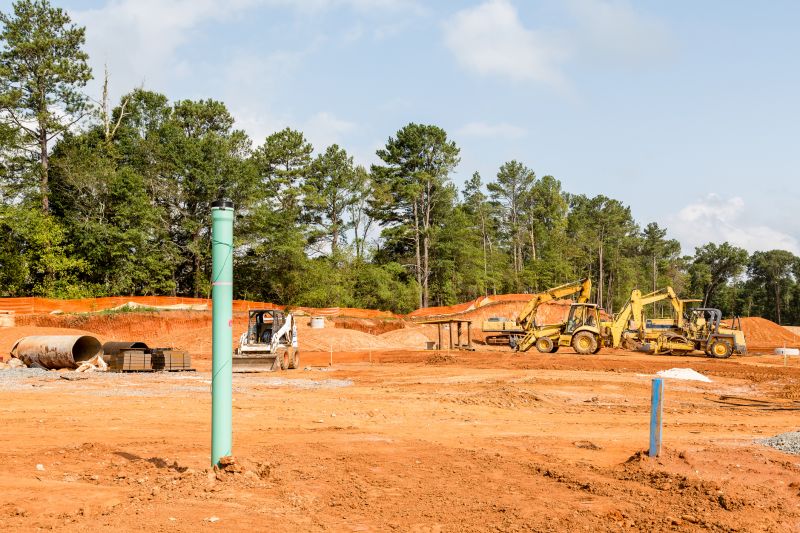
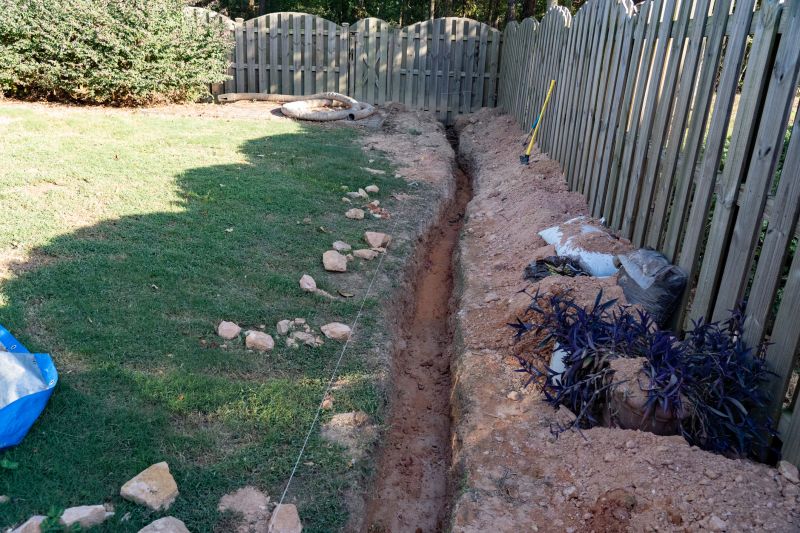
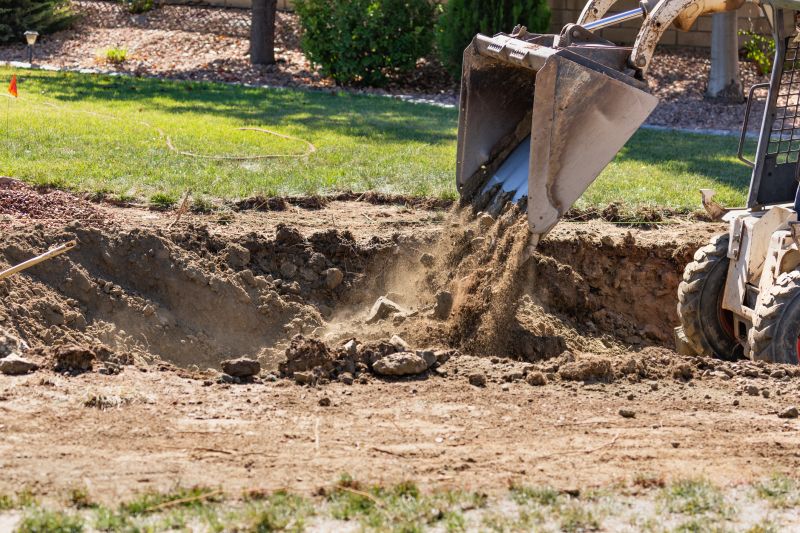
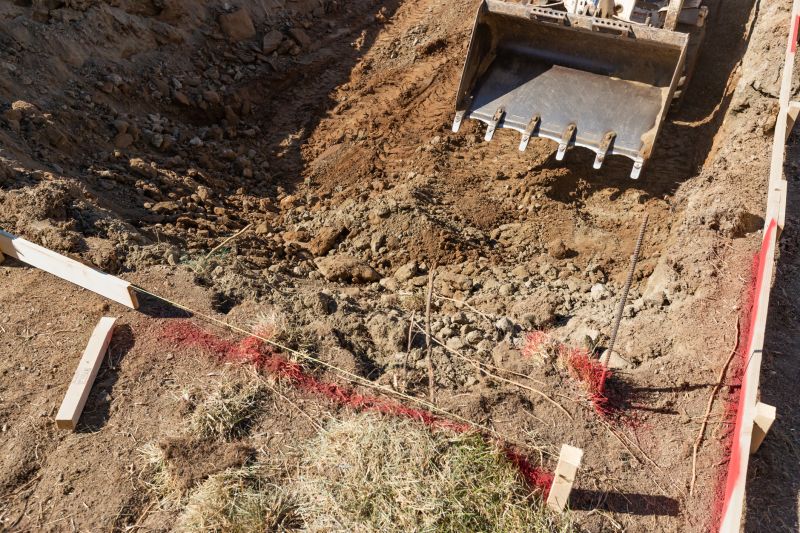
Compare local contractors’ scope definitions and verify their experience to ensure consistent expectations across providers.
- Project Scope Definition - Clearly outline the specific land grading tasks required to ensure all parties understand the work involved.
- Experience Verification - Confirm that local contractors have relevant experience with similar land grading projects in the area.
- Material and Equipment Requirements - Specify the tools, machinery, and materials needed to complete the land grading scope effectively.
- Site Conditions Assessment - Evaluate the existing land features, soil type, and access points to inform the scope and planning process.
- Written Scope Agreement - Ensure the project scope, expectations, and responsibilities are documented in a detailed written agreement with the service provider.
When evaluating contractors for land grading projects, it is essential to consider their experience with similar types of work. Homeowners should inquire about the scope of past projects completed by the service providers, paying attention to the size, complexity, and specific requirements of those jobs. Contractors with a proven track record in projects comparable to the current needs are more likely to understand the nuances involved and deliver satisfactory results. Gathering details about their previous work can help establish confidence in their ability to handle the job effectively.
A clear, written scope of work is a critical component when comparing contractors. This document should outline the specific tasks to be performed, the materials or equipment involved, and the overall expectations for the project. A detailed scope helps prevent misunderstandings and ensures that both parties are aligned on what is to be accomplished. Homeowners should seek service providers who can articulate their approach in writing, providing clarity and a basis for evaluating whether the proposed work meets the project’s needs.
Verification of a contractor’s basic qualifications involves understanding their approach to site assessment and project planning. Homeowners should ask how contractors evaluate the site, including soil conditions, drainage patterns, and existing landscape features. Reliable service providers will have a systematic process for verifying these fundamentals before beginning work. While formal licensing or certification may not be required, a contractor’s knowledge of site verification techniques and their ability to communicate findings clearly are important indicators of professionalism and readiness to manage the project responsibly.
When comparing options, it is helpful to assess how each contractor plans to define the scope and verify project details in writing. Homeowners should review proposals for clarity, consistency, and completeness. Asking service providers to outline their process for confirming project specifics and how they document these agreements can reveal their level of professionalism. Ultimately, choosing a contractor involves evaluating their experience with similar projects, the clarity of their written scope, and their approach to site verification-factors that contribute to a well-managed land grading project and help set realistic expectations.
Ask contractors to provide written scope and details to ensure clear expectations and consistent project understanding.
- Experience and Qualifications - What specific experience do local contractors have with land grading projects similar to this scope?
- Scope of Work - How do contractors define and clarify the scope of land grading services included in their proposals?
- Comparison of Services - What services and techniques do different service providers include to ensure consistent results?
- Project Expectations - How do contractors communicate project expectations and deliverables in writing before work begins?
- Scope Adjustments - How do local contractors handle changes or additions to the original land grading scope during the project?
How can I find qualified contractors for land grading? To find qualified contractors, compare local service providers based on experience, reviews, and the scope of their work. Ensure they have a solid track record with similar projects in your area.
What should I consider when defining the scope of a land grading project? Clearly outline the desired grading outcomes, including the areas to be leveled or contoured, drainage requirements, and any specific site conditions, to help contractors provide accurate proposals.
How can I verify a contractor's experience with land grading? Ask for references or examples of previous projects, and check if they have handled similar site conditions or project sizes to ensure they have relevant experience.
Why is it important to set expectations in writing for land grading work? Having a written agreement helps clarify project scope, responsibilities, and deliverables, reducing misunderstandings and ensuring all parties are aligned.
What questions should I ask when comparing land grading contractors? Inquire about their process, equipment, experience with similar projects, and how they plan to handle site-specific challenges to make an informed comparison.
How can I ensure a land grading project meets my needs? Communicate your goals clearly, review detailed proposals, and verify that the contractor understands the scope to ensure the work aligns with your expectations.
Understanding the importance of clear communication and well-defined scope can help ensure a land grading project meets expectations. By comparing local contractors, verifying their experience, and putting agreements in writing, homeowners can make informed decisions that align with their project needs. Taking the time to evaluate options allows for a smoother process and helps set the foundation for successful results.
Using the quote form to explore different service providers provides a straightforward way to compare local contractors specializing in land grading. This approach helps identify the right fit based on scope, experience, and professionalism. Gathering information through this method supports making well-informed choices tailored to specific project requirements.